Mapping
What is mapping?
Mapping is a family of methods that visually structures complex relationships. Unlike traditional diagrams or organizational charts, mapping methods capture not only formal structures, but also dynamics, interdependencies, and hidden patterns.
The result: a "guide" for complex decisions—one that everyone involved can understand.
Why mapping works
Complexity becomes manageable and discussable
A shared understanding emerges across different perspectives
Hidden patterns and leverage points become visible
Strategies are becoming more concrete and actionable
Typical applications
Strategy Development & Organizational Development
Team Building and Collaboration
Change Processes & Transformation Projects
Stakeholder Analysis & Networking
Process Optimization & Interface Clarification
Research Projects & Evidence Synthesis

Mapping Methods for Complexity
Complexity isn't easy to explain—but it can be made visible. Using mapping methods, I bring structure to tangled relationships: from system landscapes and stakeholder networks to process flows.
For organizations, NGOs, and research projects that want to understand how their systems really work.
My Approach
1. Understanding – What is the question?
Together, we’ll clarify: What complexities do we want to get to the bottom of? What decisions need to be made? Which mapping method (or combination) is the best fit?
2. Gathering – Compiling Knowledge
I gather relevant information through interviews, workshops, or document analysis. Often, those involved know more than they realize—mapping makes this implicit knowledge explicit.
3. Visualization – Making Connections Visible
I create the map—either on my own or together with your team during a workshop. The visual format makes complex relationships tangible and easy to discuss.
4. Reflect – Gain Insights
The completed map is not a final product, but a working tool. It invites discussion, raises new questions, and leads to better decisions.
5. Benefits – Putting It into Practice
The analysis leads to recommendations for action. The mapping serves as a guide to help you navigate the process.
Who is mapping suitable for?
Organizations & Companies
Are you facing a reorganization? Do you want to refine your strategy? Or understand why change processes are stalling? Mapping brings clarity to complex organizational issues and highlights where interventions can be made.
Typical applications:
Strategy Development & Organizational Development
Change Management & Transformation
Stakeholder analyses for large-scale projects
Process Optimization & Interface Clarification
NGOs & social organizations
Stakeholder analysis, campaign planning, impact frameworks: Mapping helps nonprofit organizations strategically achieve their goals and gain insight into complex social dynamics.
Typical applications:
Campaign Planning & Advocacy Strategies
Stakeholder Dialogues & Participatory Processes
Impact Models & Theory of Change
Network Analysis & Alliance Building
Research & Science
Complex research contexts, interdisciplinary projects, evidence synthesis: Mapping makes research transparent and helps organize complex bodies of knowledge.
Typical applications:
Research Networks & Collaborative Projects
Evidence Mapping & Literature Synthesis
Stakeholder Analysis in Participatory Research
Visualizing complex research questions
re:publica26
re:publica26
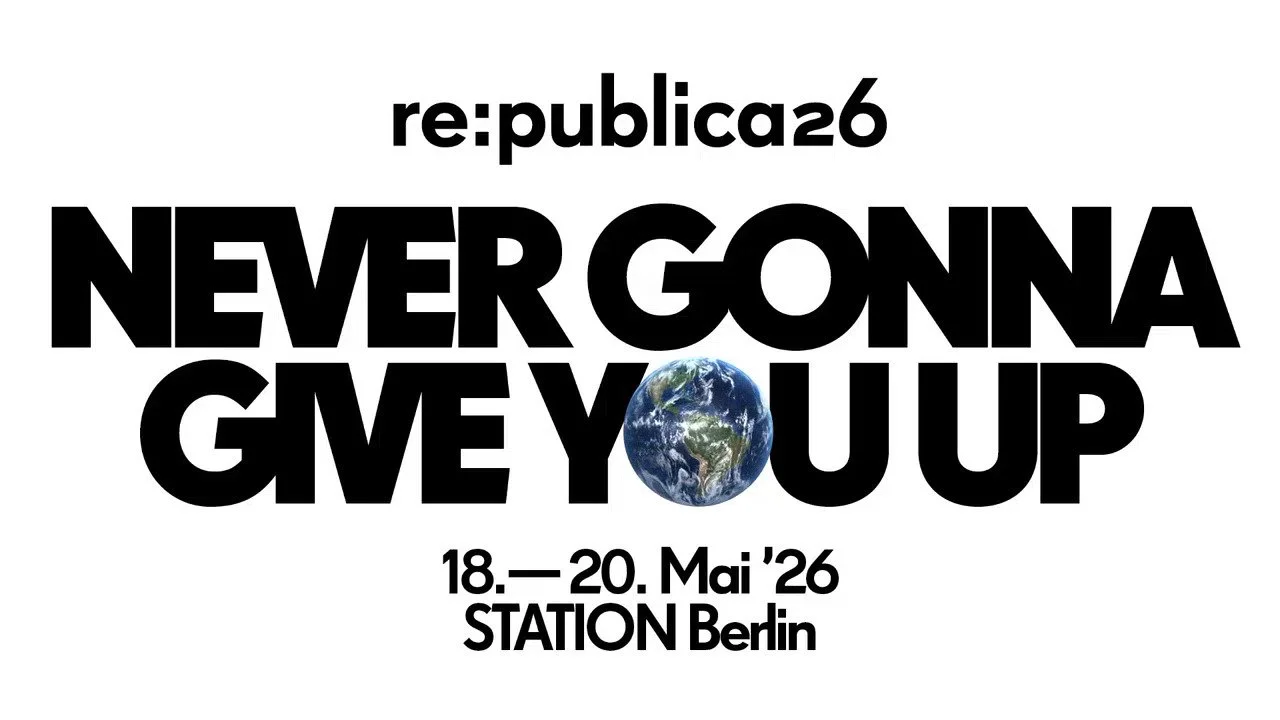
In May 2026, I spoke at re:publica on "Mapping & Power" - a topic that demonstrates how visualization is not neutral, but rather reveals (or conceals) power structures itself.
What it’s about: Mapping is more than just cartography. It is used to organize knowledge, social structures, and power relations. My talk explores how maps are used as tools of social and political control, from colonialism to AI-driven mapping.
How long does a mapping project take?
From half a day (quick stakeholder mapping in a workshop) to several weeks (comprehensive system analysis with interviews). Most projects take 2–5 days spread out over several weeks.
Do we need any prior knowledge?
No. I’ll guide you through the process. Your expertise on the subject is more than enough—I’ll provide the mapping methodology.
FAQ
What tools do you use?
Depending on the situation: paper and pens (for in-person workshops), digital tools such as Miro or Mural (for remote work or hybrid formats), or specialized mapping software for complex system analyses.
What is the difference between mapping and graphic recording?
Graphic recording captures what happens during a discussion in real time. Mapping is an analytical method used to understand structures, relationships, and patterns.